Where Are They Now?
Unless you’re just starting your first garden, we’ve all done it. On purpose, or accidentally. We’ve eyed the spanky new plant in bloom in the garden center or nursery, pried open our nearly empty wallet. Splurged on the new plant. Brought it home, planted it where we want to see it grow and bloom.
And that summer, it grows a little, maybe struggles. The next spring… the promise of a bloom like we see in the books and magazines! Right? Well… maybe not. I can’t count the number of times the new plant looked sad. Like I did something wrong. I violated some secret code that was on the plant tag that I didnt read.
Year three… yep, gonna be a bang up year! Massive growth, maybe even time to divide in the fall. Very excited. Spring comes and the plant looks terrible. Spring frosts hit the bud tips hard. Things are looking lousy. No blooms at all this year. Time to give this plant the special shovel pruning. Up and out. Maybe it would be better off somewhere else?
Then it gets tossed aside, maybe into a trug or bucket. Forgotten about until the next day (if I’m lucky… or the next weekend if I really space out)… and then hastily tucked into less prepared ground, with not much more than a lick and a prayer. No coddling, no hugs and kisses. Make it good or walk your ass to the compost pile. Okay, maybe I am not that harsh (all the time)… but the sentiment is genuine.
Which leads me back to the post title: Where Are They Now?
Some of my favorite plants were purchased with the best intentions. Some were given to me by friends (sometimes reluctantly).
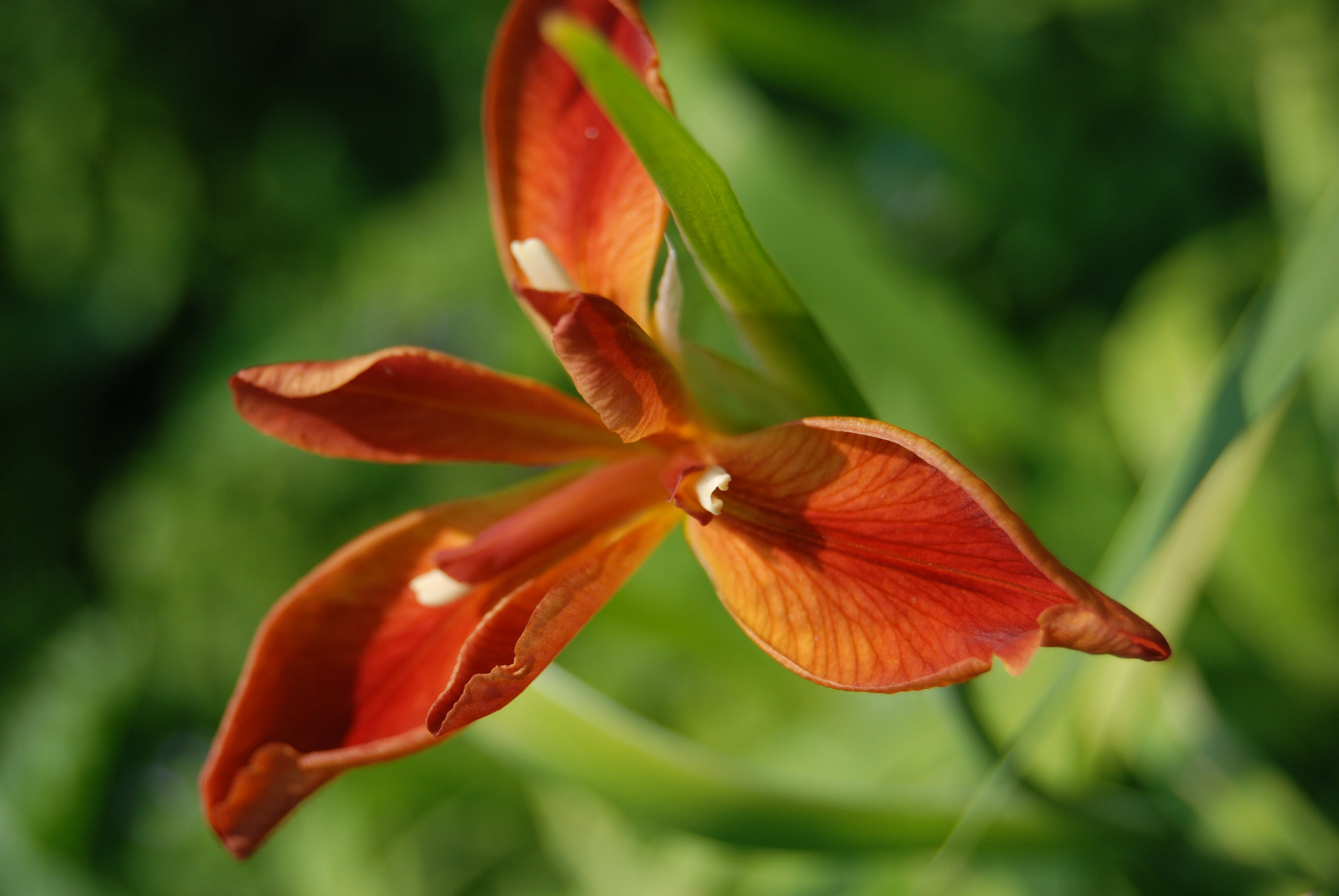
This iris fulva (Louisiana iris) was given to me back when we were running a pottery studio and didn’t have much free attention for our garden. This was the iris where I kept hoping it would come up, bloom and knock my socks off. I probably missed seeing it bloom three of the years it grew here. Bit by bit, it moved out of the bed and into the wetter grass. Probably in search of water. That’s where it met up with the mower.
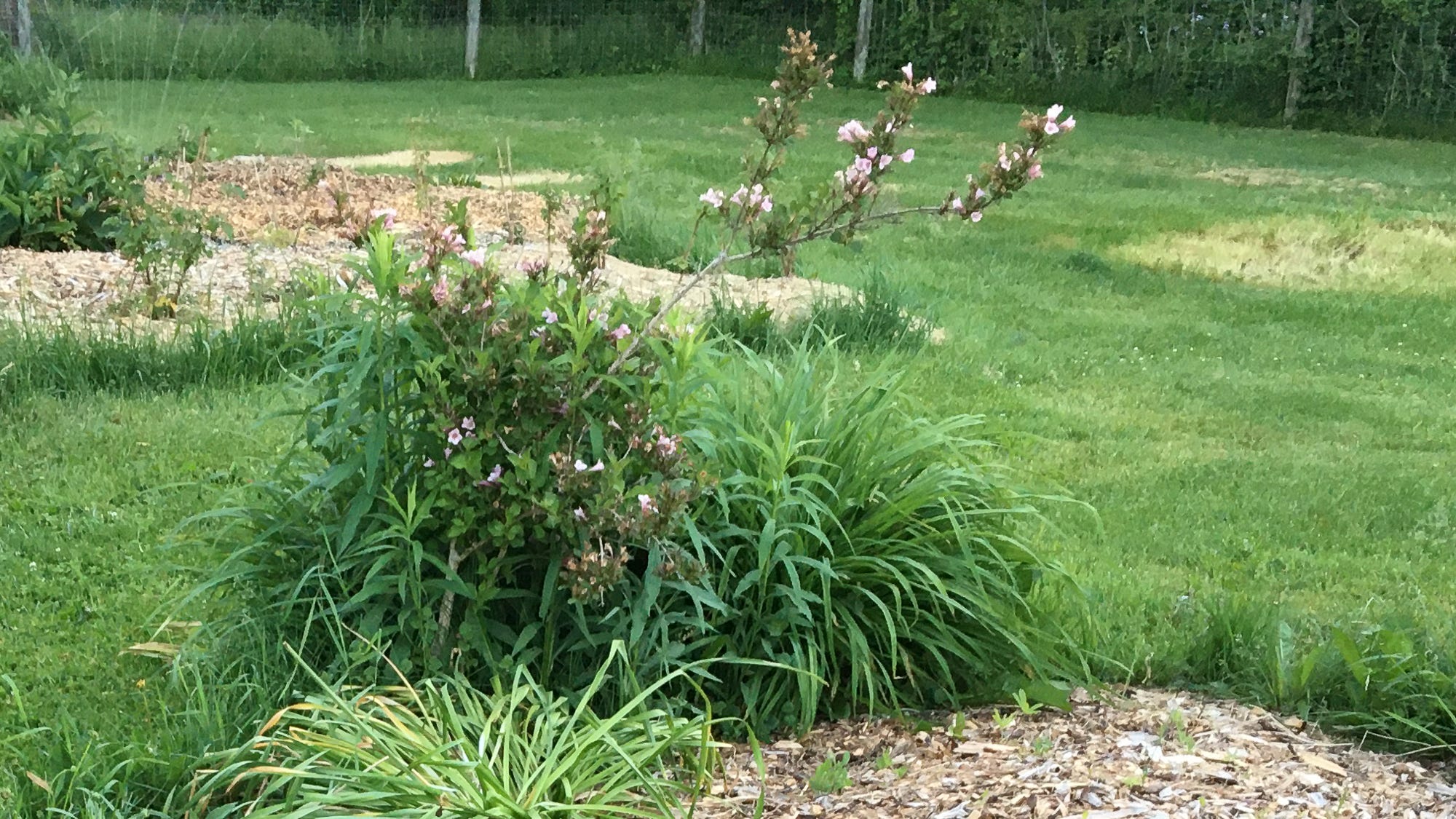
Purchased as weigela ‘Wine and Roses’, which it is not. Never had the dark foliage. Someone probably mixed up the tags in the nursery. Oh well, I over paid for a weigela. But then it failed to thrive. Went from full sun, big nicely turned over soil, mixed with amendments, kinda mulched, watered. Zero growth year two. Jump to year 10-ish… and it was getting overcrowded by the plants that HAD thrived in that spot. It was time to move and lift. Digging it out was really more of a post-mortem. It came out in chunks. Sometimes with roots, sometimes just a rotten hunk of trunk. It was very sad. I tossed it all into a bucket, threw some crappy lawn-dirt on it and forgot about it.
The next year it came back from the dead and decided it would bloom. In a pot. With crappy dirt. Well, it was unimpressive, so I left it where it was, in a big pot in a row of other potted plants that needed love. Winter came and went, it was ignored. Spring returned and it put on more growth despite the bunnies having given it a mid-winter pruning. Wouldn’t you know it? It tried blooming again. Well, can’t have that can we? So I popped the plant/s out of it plastic pot only to find very happy roots and multiple mother plants ready to move into a different pot. So now I had four pots of this weigela instead of one. One was easy enough to kill. Just ignore it. But four. That would take some effort.
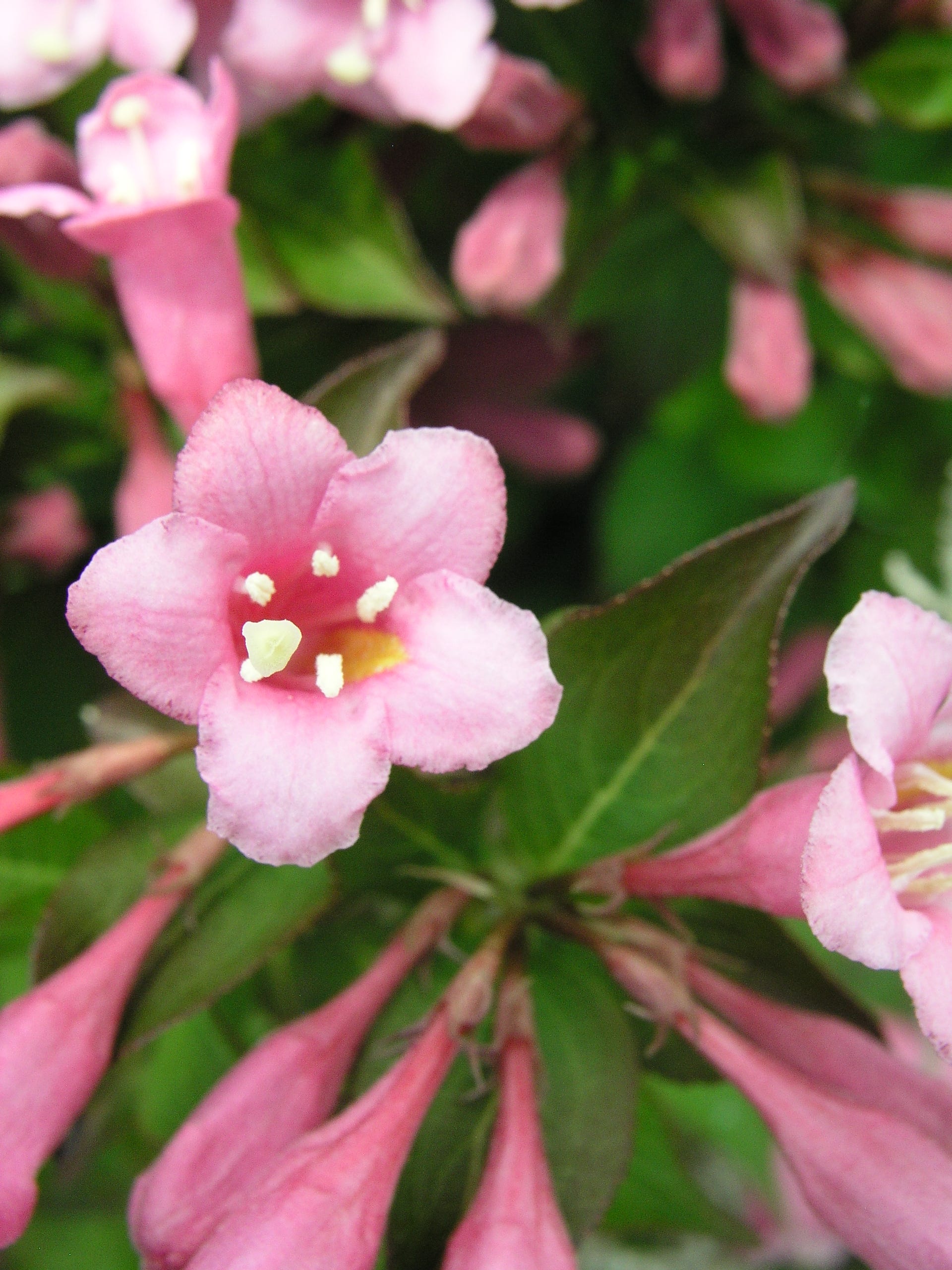
The largest, happiest one, the one that looked most likely to get a job after high school, was given to a friend at a plant swap. The second largest one had been reduced down to nibbled bits by the darned bunnies. I figured it was likely dead, so into the compost pile it went. The third one in size looked okay, but by the end of summer asked to be set free. Not sure if lack of friends killed it or lack of water or lack of vacation or healthcare… but it died. Leaving just one weigela. Now that one weigela has rooted itself through the bottom of the plastic pot, insisting that it remain where it has been abandoned for the last few summers.
One of the other plants that we have dug up repeatedly and replanted is one of the first Siberian irises we ever grew, ‘Caesar’s Brother’. It started out in a bed near the wettest grassy part of our front lawn. Over time, the weeds intruded to the point where the weeds grew to exceed the height of the irises. The simplest solution to deal with the weeds was to lift the whole clump of irises, divide everything into smaller chunks, while simultaneously pulling out all the invasive grass and other weeds. The irises went into pots for a few weeks, which turned into months, before finally being planted in the fall.
When it came time to replant them, the only place that was open, and large enough was next to one of the rose bushes, ‘Lilian Gibson’ and the lime green spirea ‘Goldmound’. Within a year, the Siberian iris ‘Caesar’s Brother’ had filled in, and spread to fill the space nicely.
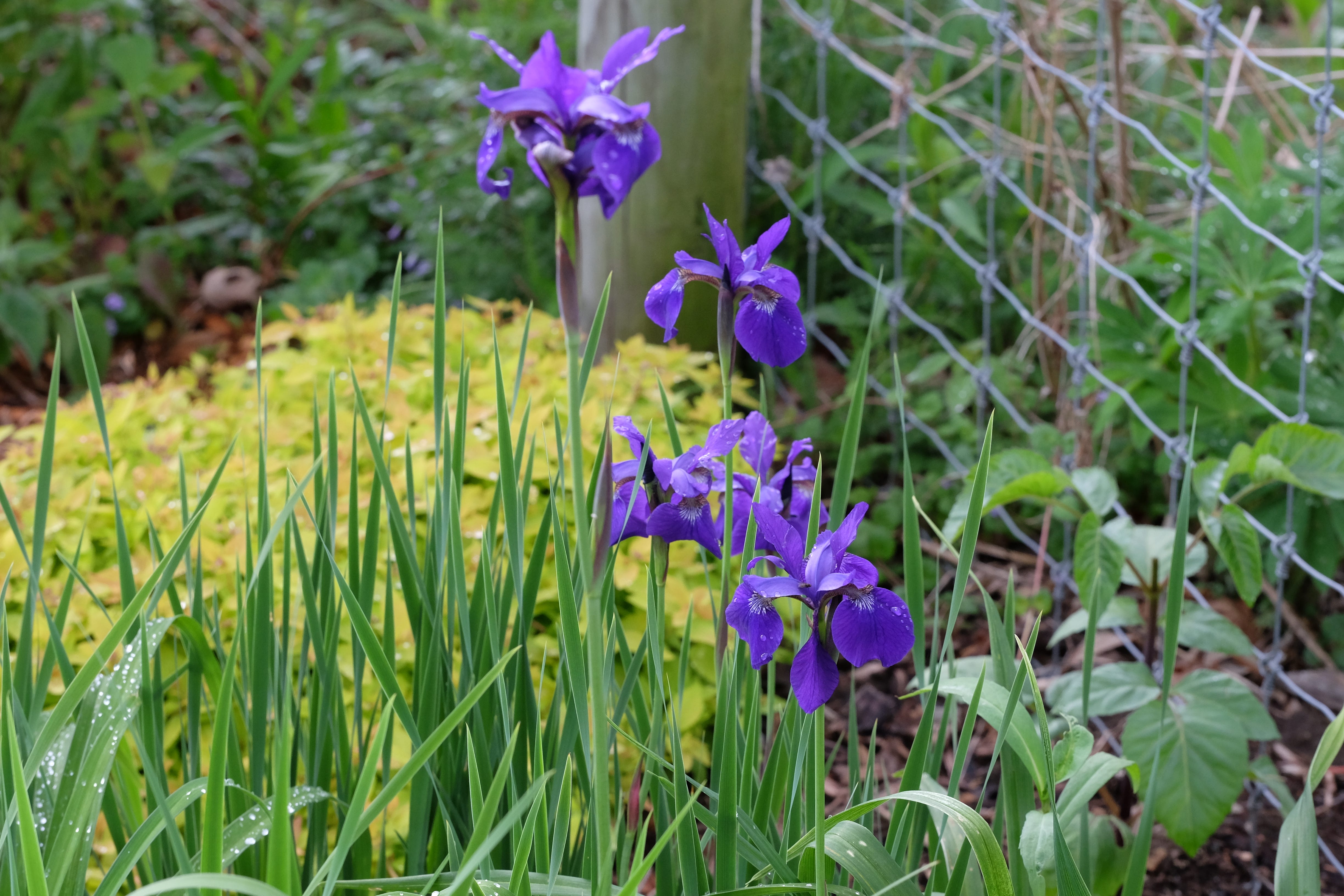
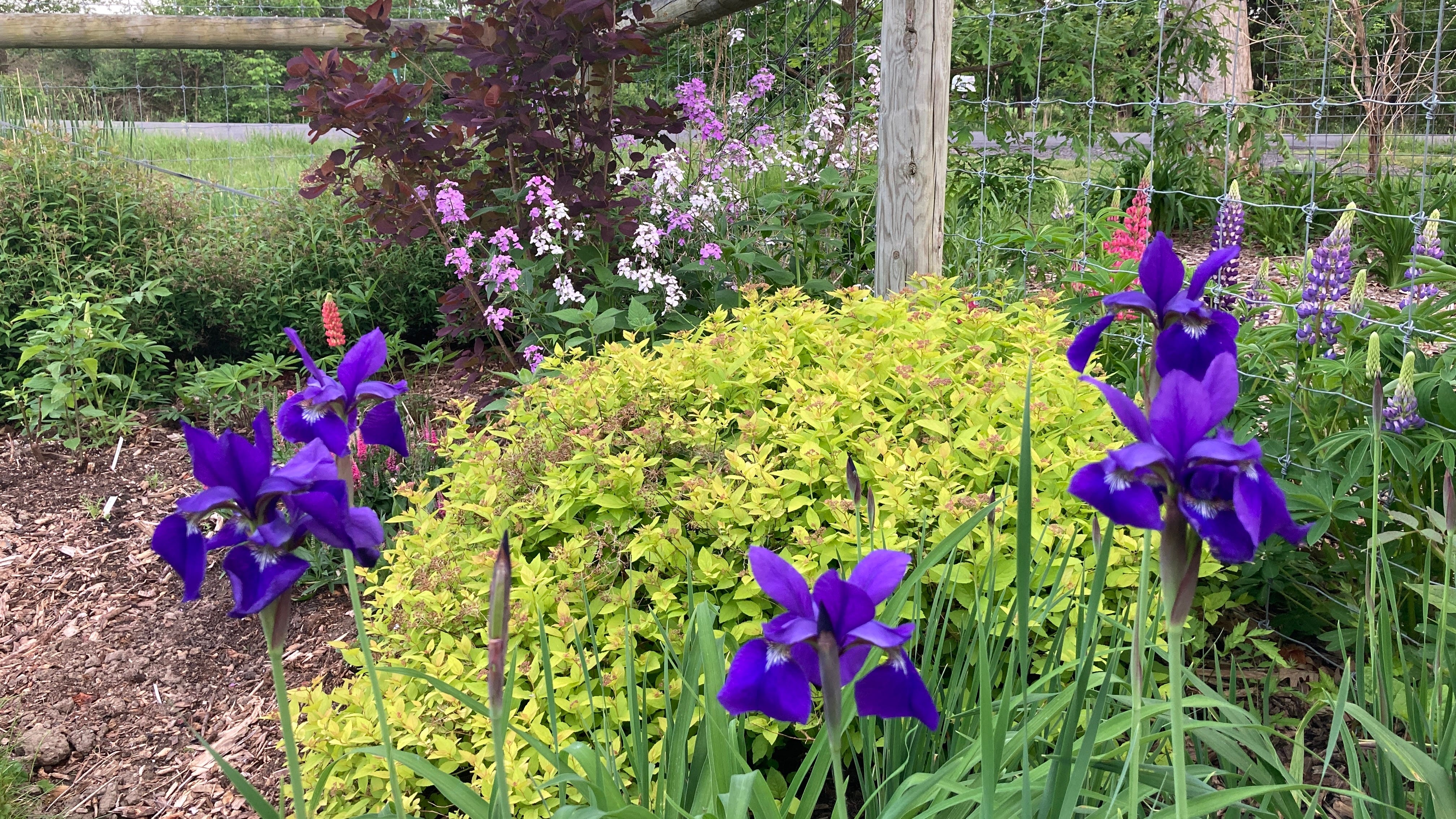
Within a year of being in this new spot, ‘Caesar’s Brother’ was ready to move about 3’ away… just across the path. And BOOM! It took off!
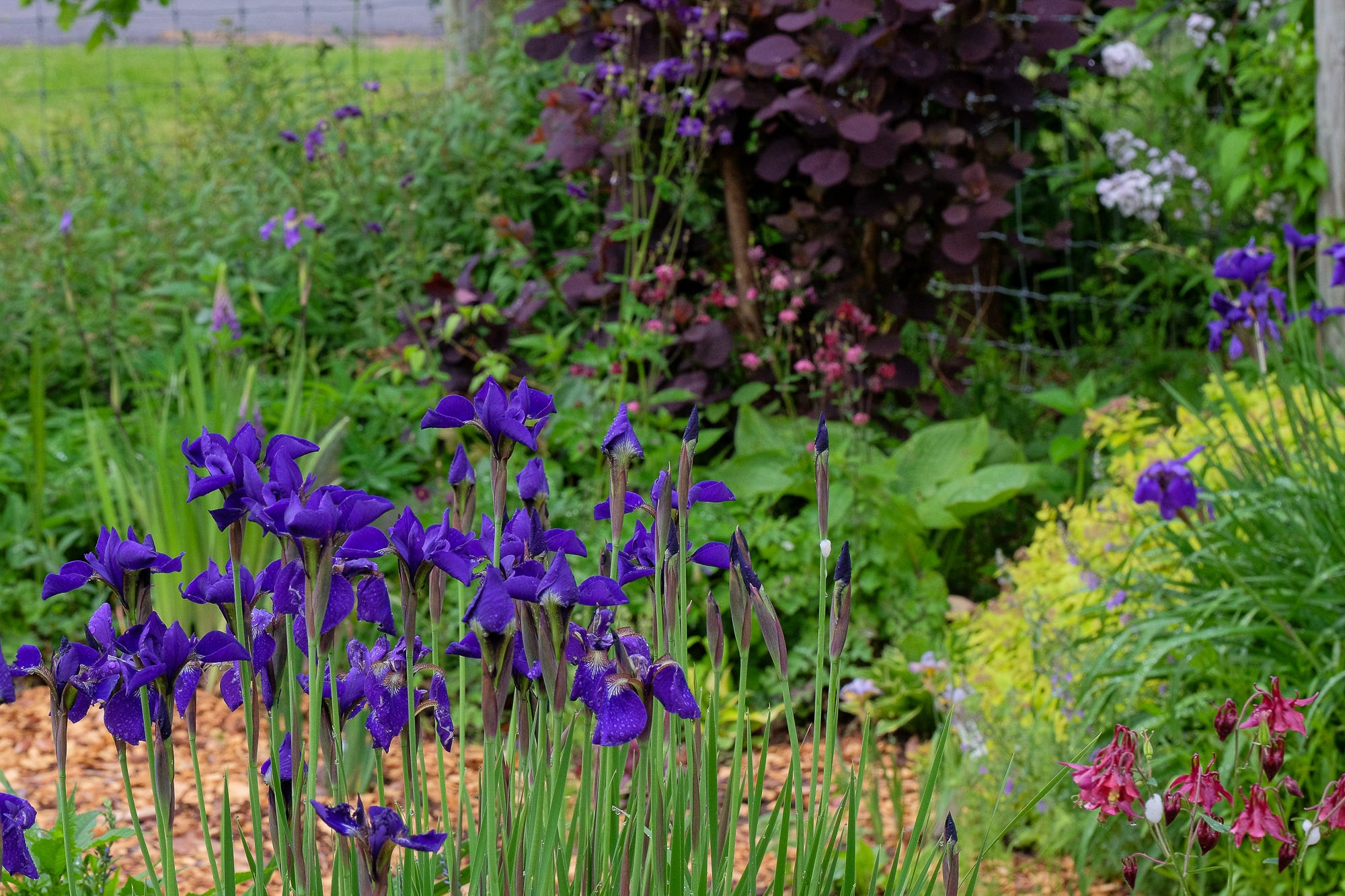
All of which is to say, sometimes moving a plant is the best thing you can possible do. Figuring out the ideal time is absolutely a learning experience. I have found in recent years that recognizing when a plant is dormant is key. Early spring or late summer seems to be the most ideal time to move most plants. It helps that those seasonal overlaps are also frequented with lots of rain and grey skies, which seems to help with getting plants established without the trauma of transplant shock.


Comments
Post a Comment