Names vs Un-Named
Back in 2020, we were driving through our little town of Trumansburg, on our way out of town, heading up the shallow hill from ‘downtown’… when Leto spied two boxes on the side of the road labelled: “Free Dahlias”. Car tires screeched as we spun the Subaru around and went back for a closer look. I have trust issues. It could have been full of car parts. It could have been a box full of moldy clothes. Turned out to be two boxes of dahlia tubers. One labelled red, and the other labelled pink. Well… free dahlia tubers. Sure, well, yes, thank you, I think I will.
And so we did.
We hadn’t even driven 100 yards before we were suddenly giddy. At that point, we had never grown a single dahlia. We had heard that you had to dig them up in the fall, store them over-winter and then hope they grew again in the spring. Sounded like too much work… until that fateful day when they magically jumped into our car. We drove back home with two boxes of pink and red dahlia tubers, totally blissfully unaware of what had just happened. With that one U-turn, we were now officially dahlia addicts.
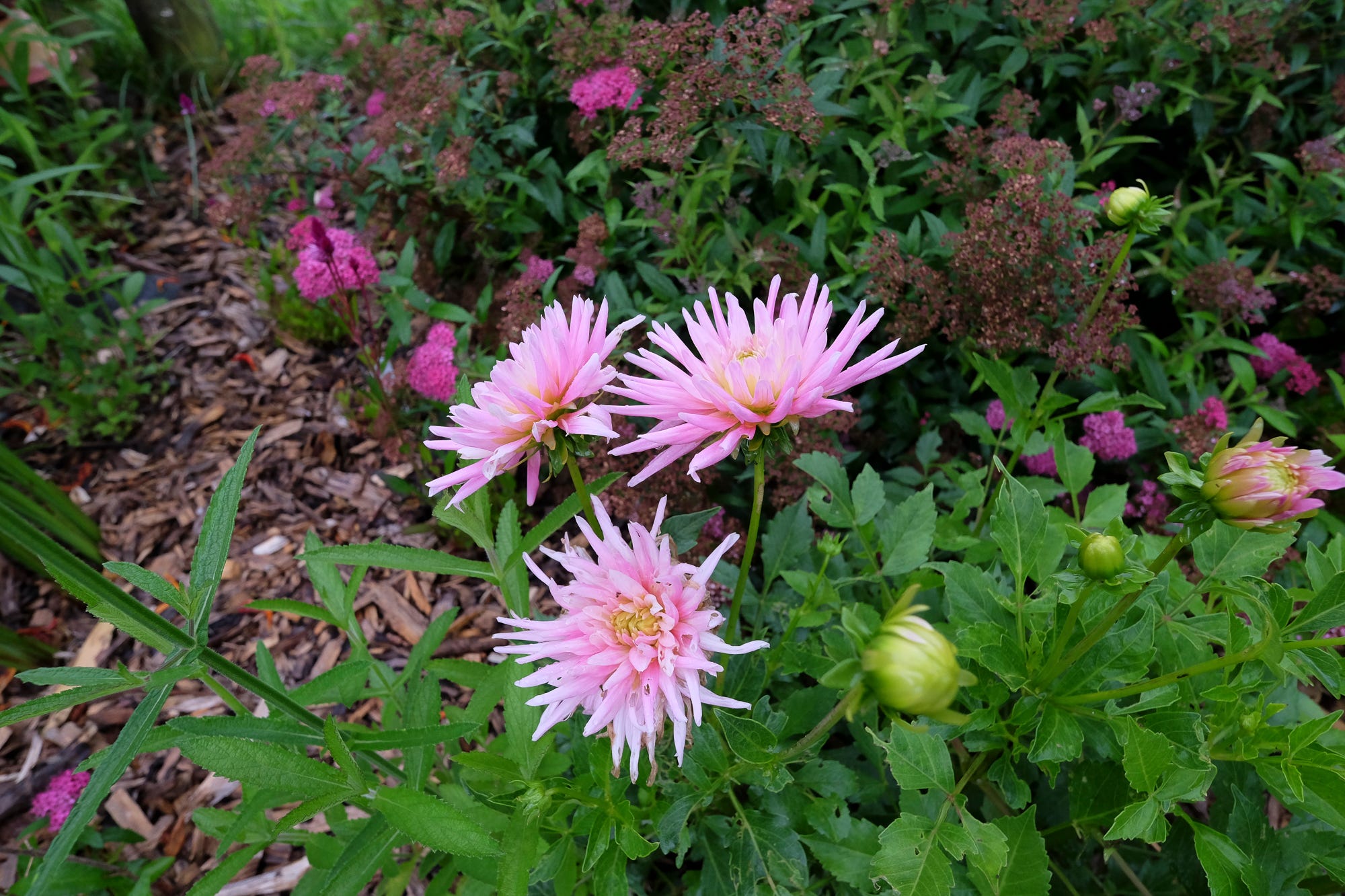
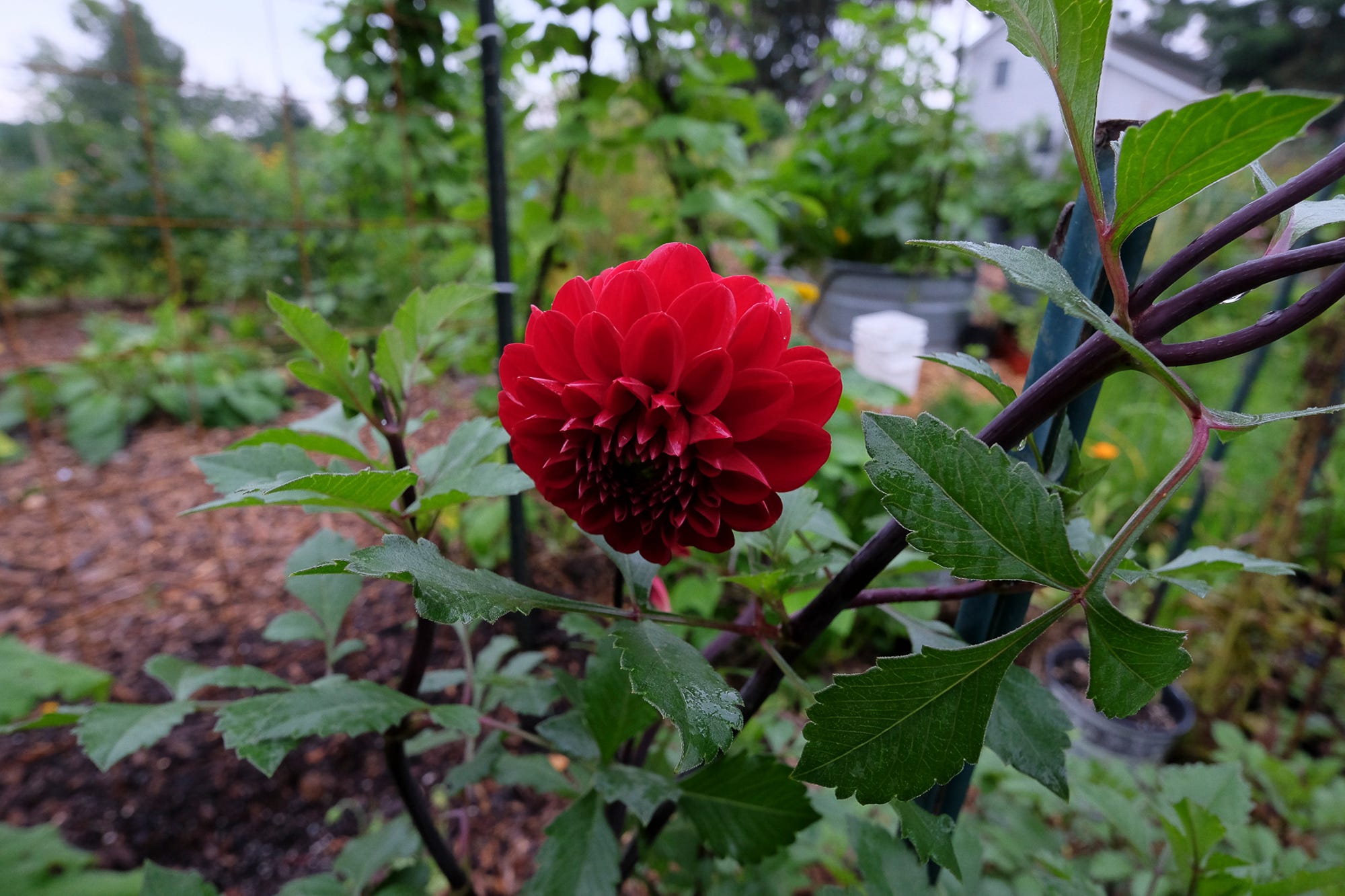
We planted those dahlias, grew them through the summer, and when they bloomed in late summer, we oohed and ahhed appropriately. They had no names. Didn’t matter. To us, these dahlias were nearly disposable. Heck, they were free. Cheaper than a packet of seed!
Fall arrived, and with the first killing frost, came the surprising blackening of the foliage. Thus signaling the end of dahlias season. We read all about how to dig and store our new tubers… and it worked… sort of. Winter of year 1 we tried storing them in pine shavings. We had no clue about dividing up tubers… so instead we left them intact. Silly beginner mistake.
Spring of 2021 arrived with us excited to try MORE dahlias. Leto suggested we try growing some from seed. We started a couple trays of seeds and planted them out with the tubers from the previous year. The new seedlings looked very different! To give the tubers a head-start on the season, we potted them up before the last frost.
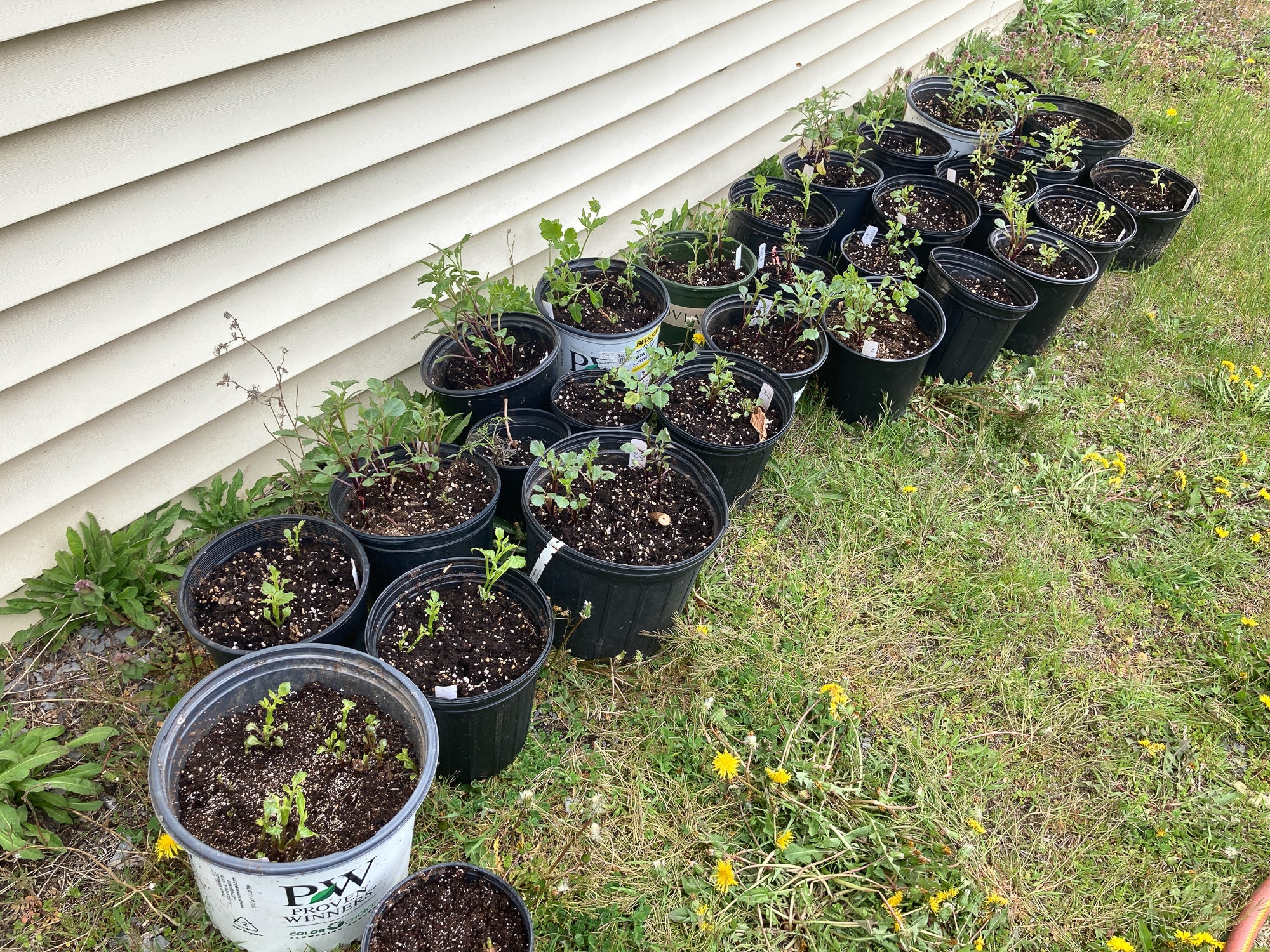
That spring we also bought a little grab bag of dahlia tubers from someone on Facebook. Again, un-named. But hey, they were super cheap. Dahlias with names cost real money! A nice popular dahlia can cost $10-20/ tuber. But an un-named variety might be $5. That bites into the wallet just a little less.
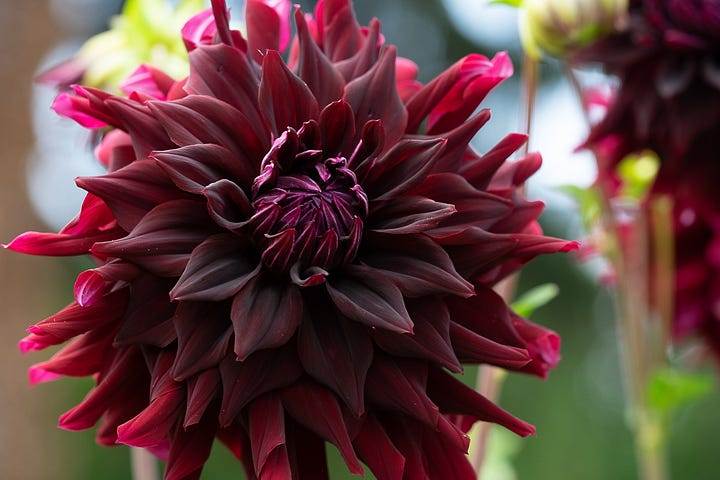
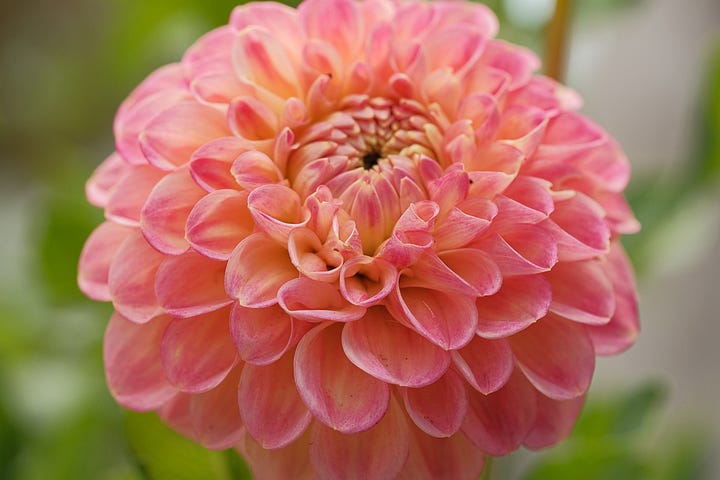
The rich dark reddish maroon one we started calling… yes, you guessed it… Maroon large. Yeah, real creative naming around here. The salmon colored one, in the ball shape, we called: Salmon ball. You see where this is going, right?
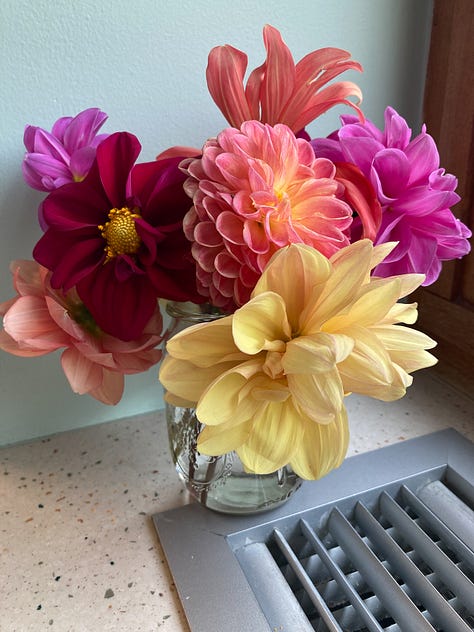
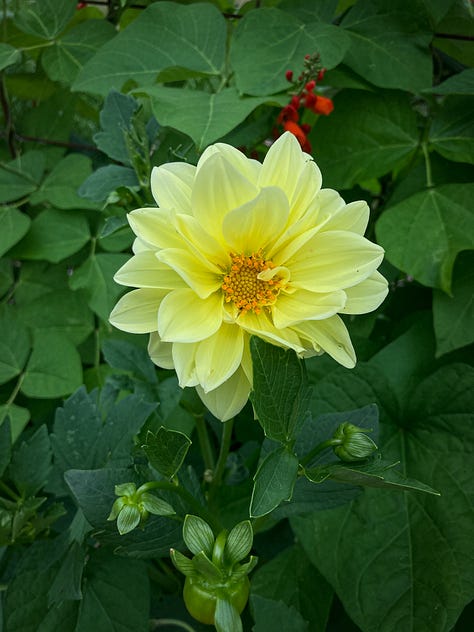
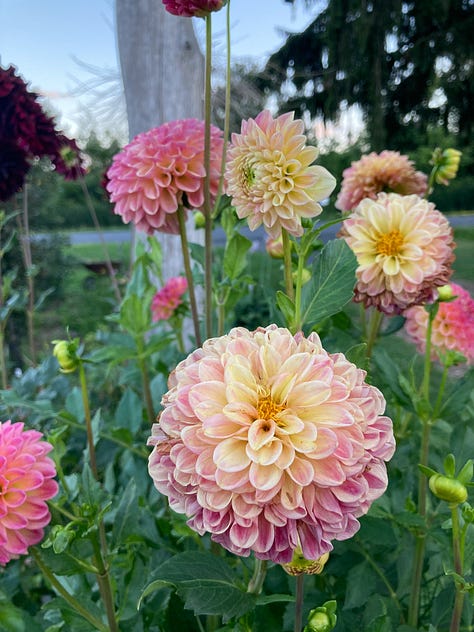
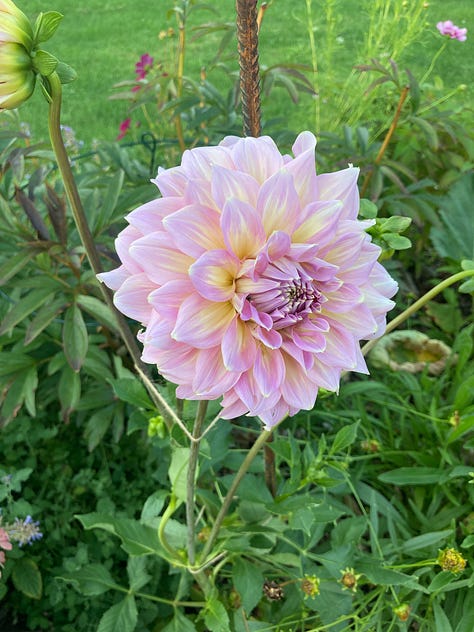
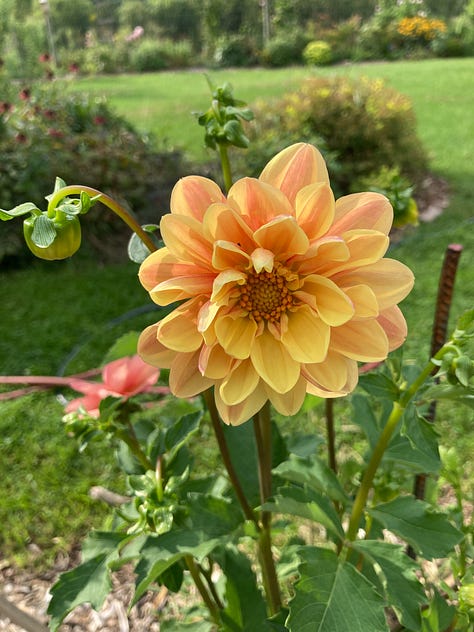
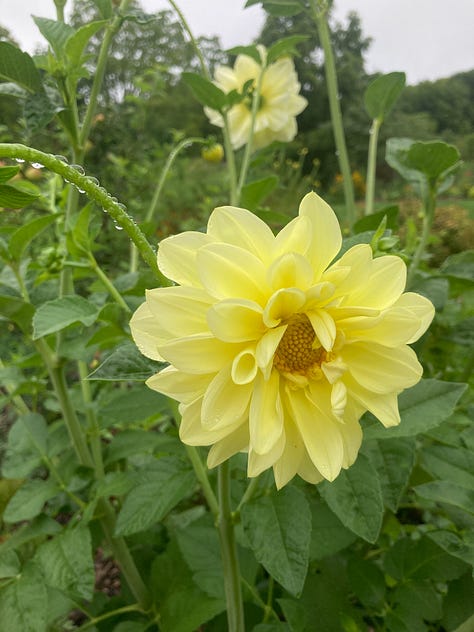
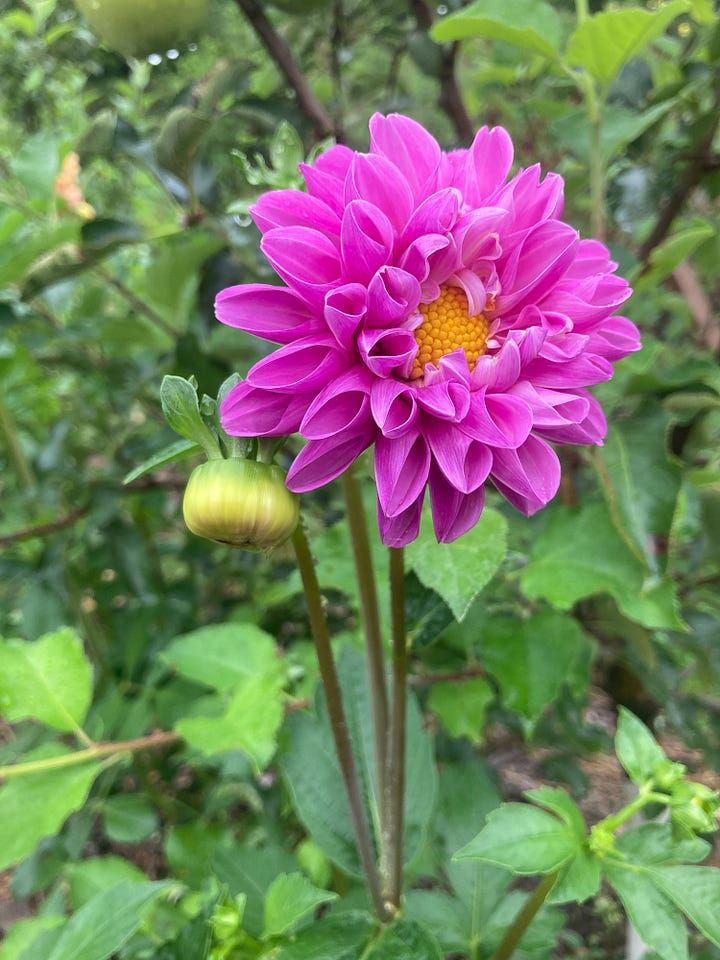
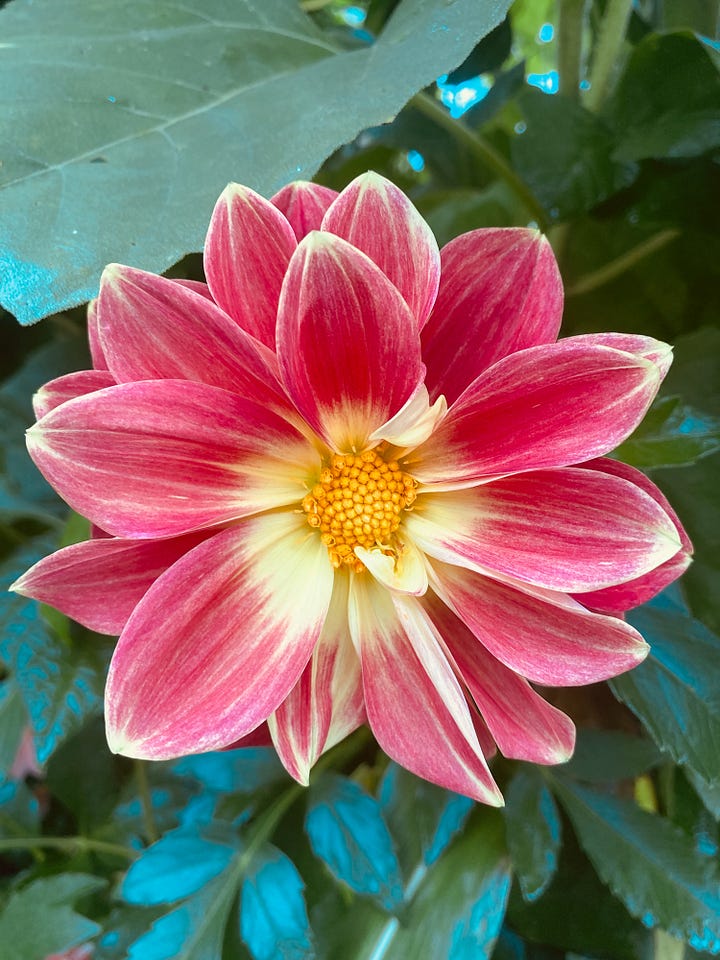
Once these seedlings started blooming, we discovered that bees absolutely flip for the more open varieties. Sure, the closed forms are amazing too, but we’re big on encouraging pollinators in the garden. Sure enough, these pollinated dahlias produced seed. See, we were/are hooked. What’s better than this year’s dahlias? Next year’s dahlias! Having something that blooms steadily from August through September and into October (sometimes)… is incredible!
Last year we ordered a few named varieties. They were okay, but it wasn’t the greatest year for dahlias. We had a prolonged cold wet spring that slowed things down early on, and then an even more prolonged drought through the rest of the summer. Tuber production was poor, blooming was scant… but some years are like that.
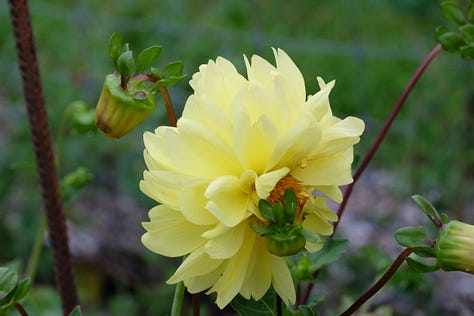
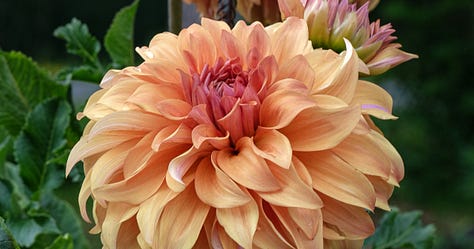
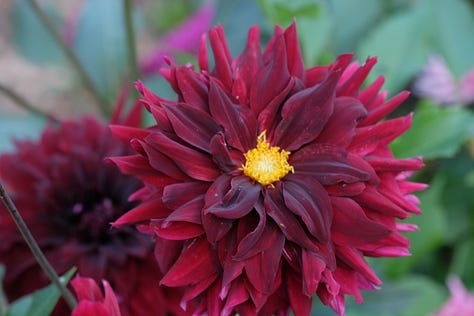
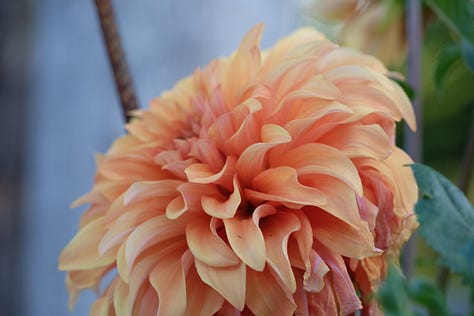
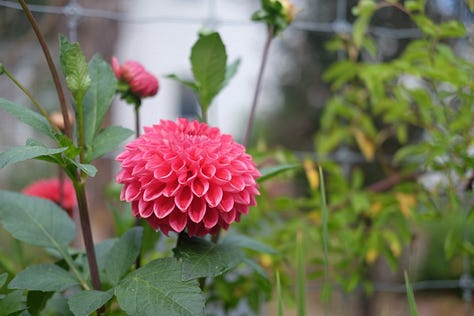
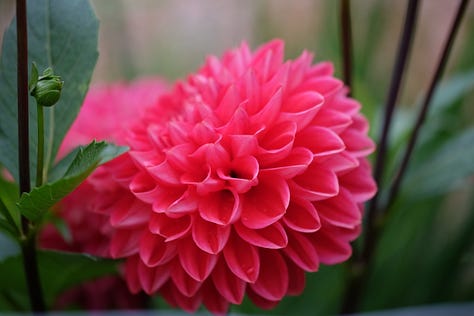
When I started writing this post, I was trying to figure out a polite way to say that I don’t care one whit about the names attached to my dahlias. But I don’t. I barely keep them sorted from one year to the next. Usually, I put tags on the ones that bloom spectacularly. Come fall, I try to dig them all up anyway. And then I end up with boxes and boxes of unlabelled tubers. Who cares? Really. We’re not some dahlia farm making money selling $20-30 tubers. No one who has ever received one of our dahlia bouquets has asked what their names are.
But, that’s not to say that names are unimportant.
When I started reading about “waterlily” forms of dahlias, I started paying a good deal more attention to the names both of the varieties as well as the names of the hybridizers. I spent a few long evenings diving through websites of folks selling ‘waterlily’ dahlias… and reading about who is crossing what with what. And I realized that it didn’t grab me. Anyone who has read about my fascination with irises knows that I can be single minded about hybridizing. Dahlias, I love… a lot in fact… but I dont have that same level of LOVE (commitment?) that I feel for irises.
Which brings me back around to irises. Doesn’t it always come back to irises?
Okay, maybe that’s just me.
When we started growing this garden over twenty four years ago, long before the coma, we were given a little clump of Siberian irises from a friend. She brought us tons of wild and crazy stuff over the years. Plants that we would do our level best to kill with neglect and ignorance. The Siberian irises she gave us refused to die. Despite being ignored, abused and occasionally mowed over.
Fast forward to about five years ago, and as we started learning about Siberian irises, we found out that they were named ‘Caesar’s Brother’. Quite possibly the most ubiquitous Siberian iris in America. You can find them in almost every state, in almost every soil imaginable. Tough plants. Insanely forgiving. We dug up a clump, divided it into five or six chunks, replanted them and BOOM! They responded like they never knew they were divided. Bloomed beautifully the following spring.
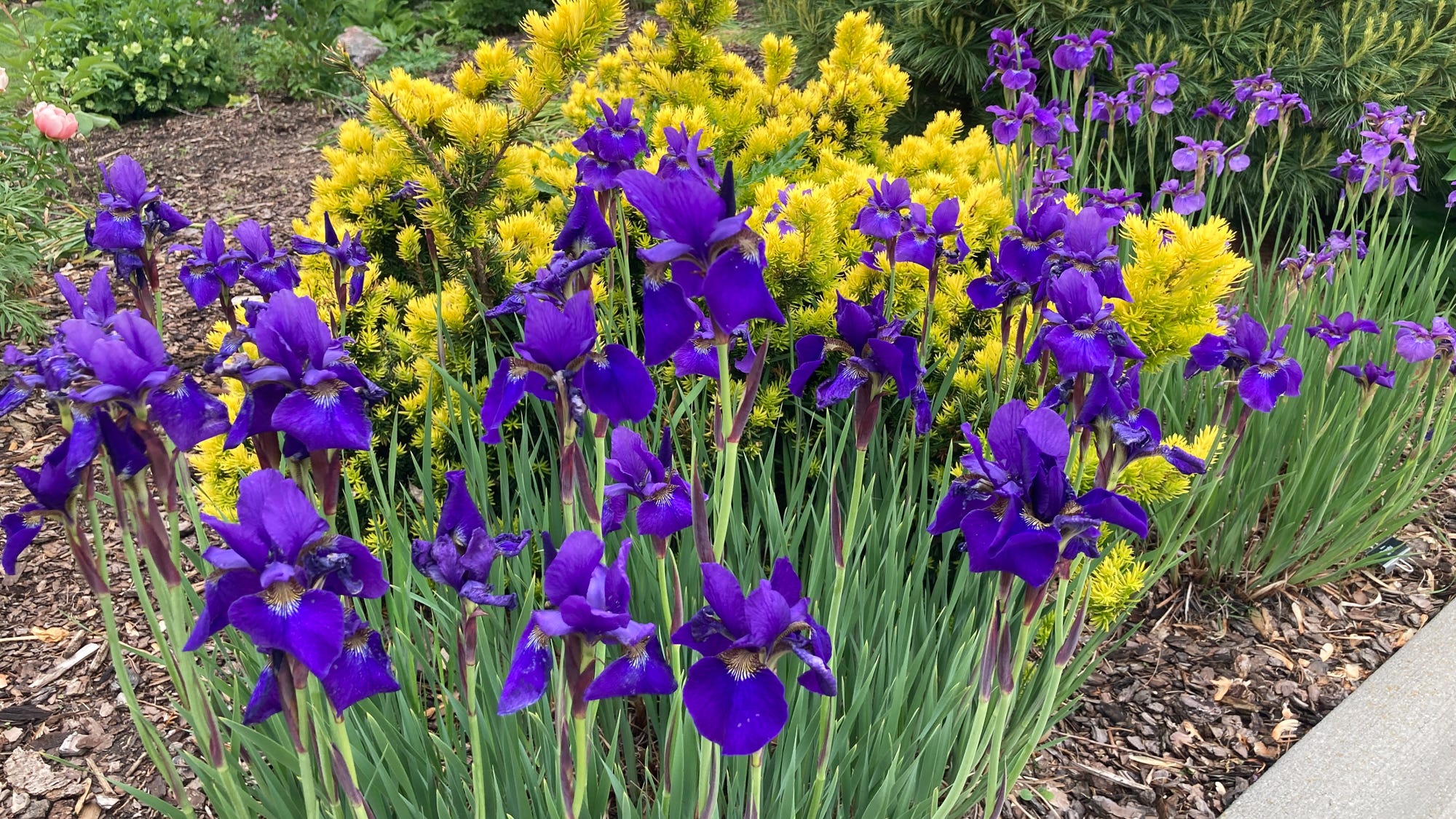
When I started growing more varieties of Siberians, I had expected them to perform in a similar fashion. So far, nothing has come close in terms of vigor. Last May, I went to the Siberian Iris Convention, which was held in Ames, Iowa. One of the host gardens belonged to Lois Girton, whose primary love has been peonies created by AP Saunders. Her garden was spectacular! Huge mature peonies in full bloom, with irises interspersed between them. In her front beds, was a gorgeous display of a Siberian iris I had never come across, but looked a lot like ‘Caesar’s Brother’ called ‘Maranatha’. It was growing in front of a scrumptious golden conifer.
Which brings me back to names…
'Maranatha' (Steve Varner, R. 1973). Seedling 177. SIB, 40" (102 cm), Midseason late bloom. Royal purple self; little signal showing, giving self effect. Sensenbach #6 X 'Tealwood'. Illini Iris 1974. Honorable Mention 1975.
What is fascinating to me about this iris is that if you dig a tiny bit deeper in the pedigree, you find that ‘Tealwood’ (also from Steve Varner) was just a cross between 'Caesar's Brother' x 'Caesar's Brother'. Unfortunately there is zilch information about ‘Sensenback#6'… but with that much ‘Caesar’s Brother’ in the mix… it is going to look awfully familiar!
Back in the 1970’s there wasn’t a ton of options when it came to Siberian irises. You had primarily dark purples like this, or a few wine-colored ones. Occasional whites were available, but they were pretty meh. In 1976, Currier McEwen introduced ‘Butter and Sugar’ which was the first yellow (and white) Siberian iris. (Eons ago, a friend gave us a small clump of Butter and Sugar, but the guy mowing our lawn managed to cut it to the ground at the worst possible time.)
What is important to understand when it comes to Siberian iris genetics is that purple is the dominant color. When in doubt, it comes in purple. The Model-T of Siberian iris. You can have it in any color as long as it’s purple. And colors like white and yellow are KEY to getting all the other colors. They unlock the reds, pinks, orange-ish browns, speckles, and so on. At some point I want to write more about how Siberian iris coloration changed based on a few key irises… and how. But that’s not why I wrote about names.
Sometimes, the name of the iris reflects the place or the hybridizer. Currier McEwen named a lot of his Siberian irises “Harpswell ___" after his love of Maine. Hybridizers of Louisiana irises tend to use names that reference Louisiana locations or other regional festivities. The name matters.
It also matters if you are going to try your hand at making your own crosses. It is important to be able to identify the parents of your iris offspring. Eventually, you can start to know (a little) what to expect from certain parents. Some iris parents are prolific pollinators, others are great seed parents. That’s worth keeping track of!
Names also matter in terms of how people relate to the plant. A good name can carry a plant for decades. There’s a whole host of naming conventions that are required reading before submitting a name for an iris, for registration with the AIS. https://www.irises.org/hybridizers-growers/iris-registration/#Inst-Reg
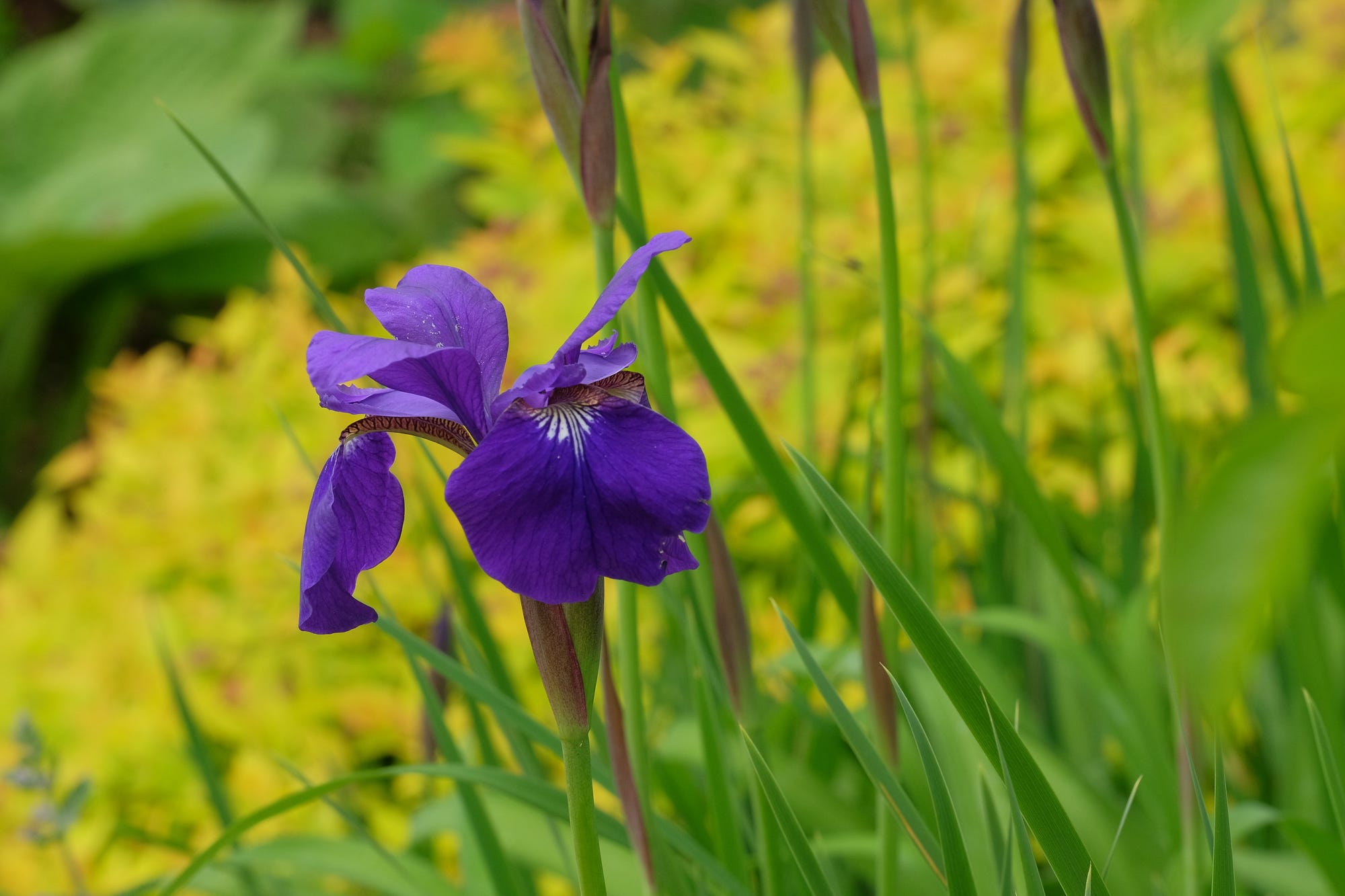
I’ll close this post by saying that I keep track of all my irises… from their seeds to their demise. If they don’t make the cut, that goes into the notes too. My dahlias however, are (for now) nameless. Doesn’t make me love them any less.
If you found this here, please join my Substack. I'll be writing more there, and less here.
https://alexsolla1.substack.com


Comments
Post a Comment